
Solar Panel Installation in Richmond, VA
If you’re thinking about going solar in the Richmond region, you don’t have to rely on generic market estimates. To give you a clear picture of local trends, Dominion Energy Solutions analyzed residential solar permits from Richmond, Henrico, Chesterfield, and Hanover counties between July 2025 and June 2026. Read on to see what your neighbors are actually installing, what sizes are standard, and what they cost.

What to Know Before Switching to Solar
What's the Average Home Solar System Size in Richmond, VA?
According to a 2026 Dominion Energy Solutions analysis of 1,243 residential solar permits, new residential solar systems permitted in the Richmond region from July 2025 through June 2026 averaged approximately 8.2 kW. Your own system may be larger or smaller depending primarily on annual electricity consumption, usable roof area, orientation, shading, and whether you plan to add loads such as an EV or heat pump.
Across Richmond, Henrico, Chesterfield, and Hanover, we identified 1,243 qualifying new residential solar installations from July 2025 through June 2026. Systems with usable capacity data averaged approximately 9.3 kW regionally, with average system sizes generally increasing outside the urban core.
Please click HERE for our full research methodology.
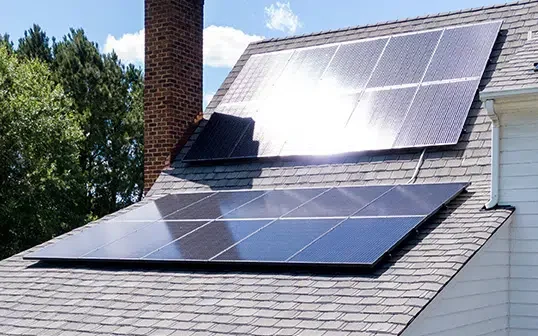
Average System Size in Richmond Region
| Jurisdiction | Number of PV Permits July 2025 – June 2026 | Local System-Size Benchmark |
| City of Richmond | 130 | ~8.2 kW |
| Henrico County | 539 | ~8.76 kW |
| Chesterfield County | 415 | ~10.05 kW |
| Hanover County | 159 | ~11.0 kW |
Figures come from Dominion Energy Solutions’ analysis of public residential solar permit records from Richmond, Henrico, Chesterfield, and Hanover for July 1, 2025 through June 30, 2026. Last update: August 2026. See our complete Richmond-area solar permit data and methodology for sources, inclusion and exclusion rules, analytical coverage, and system-size calculations.
How Much Do Solar Panels Cost in Richmond, Virginia?
According to a 2026 Dominion Energy Solutions analysis of 1,243 residential solar permits, new residential solar systems permitted in the Richmond region from July 2025 through June 2026 suggests a typical residential solar installation costs approximately $3.00 per watt. The benchmark is derived from qualifying Henrico County permits that report both project value and system capacity, providing a local, permit-based measure rather than a generic market estimate.
Applied to Richmond’s 8.2 kW average system-size benchmark, approximately $3.00 per watt suggests a permit-derived project value of about $24,600 before battery storage, roof work, financing costs, or other project-specific factors.* This is a local market benchmark, not a Dominion Energy Solutions quote. See our Richmond-area solar permit data and methodology for the underlying cost analysis
Average System Costs in Richmond Region
| Jurisdiction | Local System-Size Benchmark | Local System-Size Benchmark |
| City of Richmond | ~8.2 kW | $24,600 |
| Henrico County | ~8.76 kW | $24,280 |
| Chesterfield County | ~10.05 kW | $30,150 |
| Hanover County | ~11.0 kW | $33,000 |
Costs are derived from actual, publicly available permits. These are not DES quotes. Actual project costs vary by equipment, roof and electrical conditions, battery storage, financing, and installation scope. See methodology for further detail.
How Much Can Solar Panels Save You?
Solar savings are home-specific, so a credible Richmond estimate should start with the homeowner’s last 12 months of electricity use and a site-specific production model. A proposal should clearly separate the major sources of value.
Get Free Solar Quote

Bill Reduction

RECs & SRECs

Net Metering

Long Term Savings
Bill Reduction
RECs & SRECs
Net Metering
Long Term Savings
How Does Dominion Energy Virginia Net Metering Work for Richmond Solar?
Dominion Energy Virginia net metering allows an approved residential renewable-energy system to offset electricity used at the home. When your solar array produces more electricity than the home is using, excess energy sent to the grid is recorded as a credit and can be applied against future electricity delivered to the home. Virginia state law states that a net-metered system must be sized so it does not reasonably produce more than 150% of the home’s expected annual electricity consumption. Net metering requires an interconnection application and utility approval in addition to local building/electrical permits.
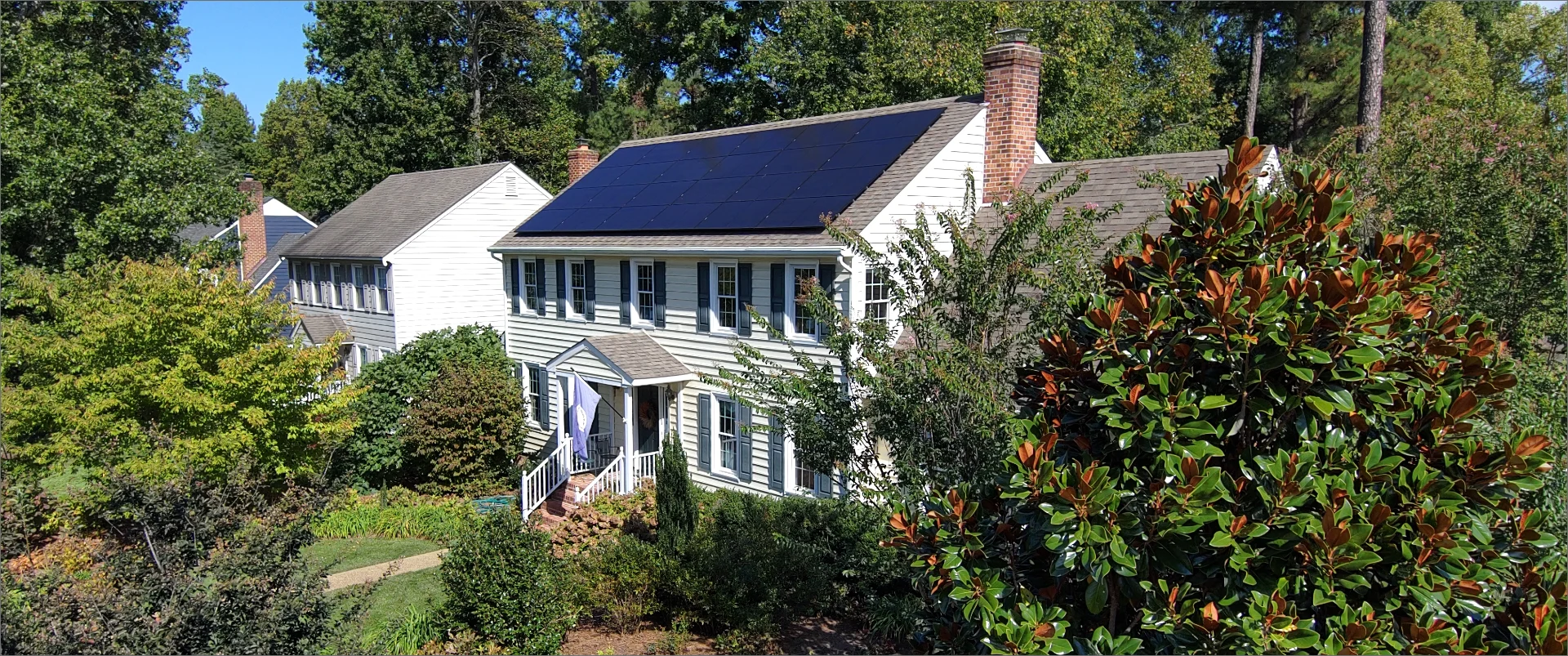
How Does Solar Installation Work in Richmond, VA?


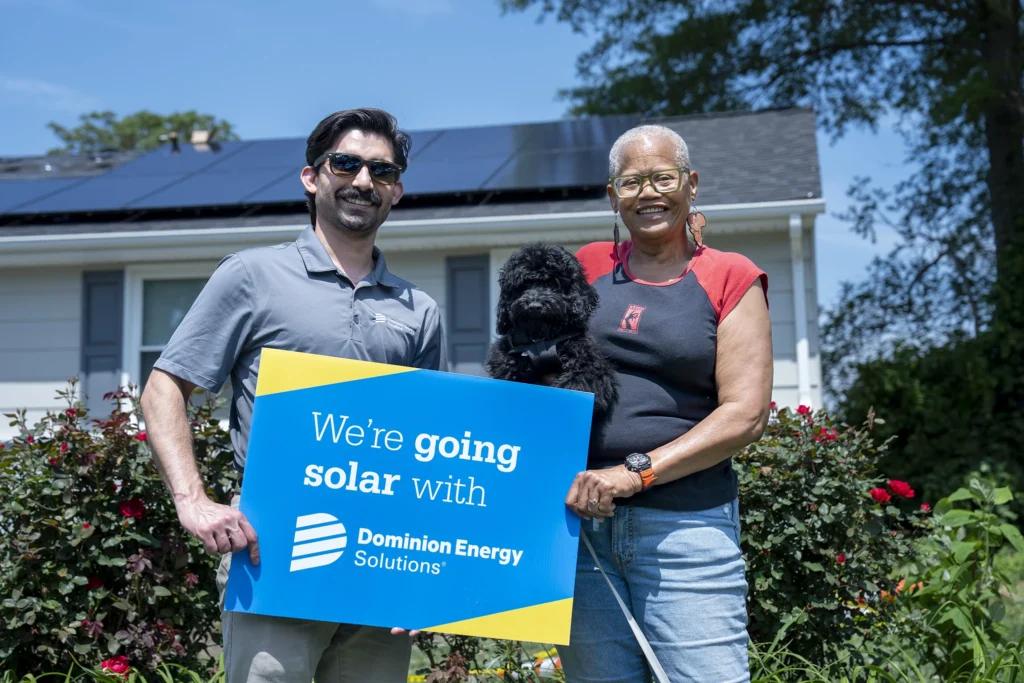
Our non-commissioned Energy Advisors analyze your past 12 months of utility bills to build an optimized consumption model and size your potential system.

Our Energy Advisors – all employees of Dominion Energy – assess your roof’s pitch, orientation, and shading to build a custom solar system design for your home.
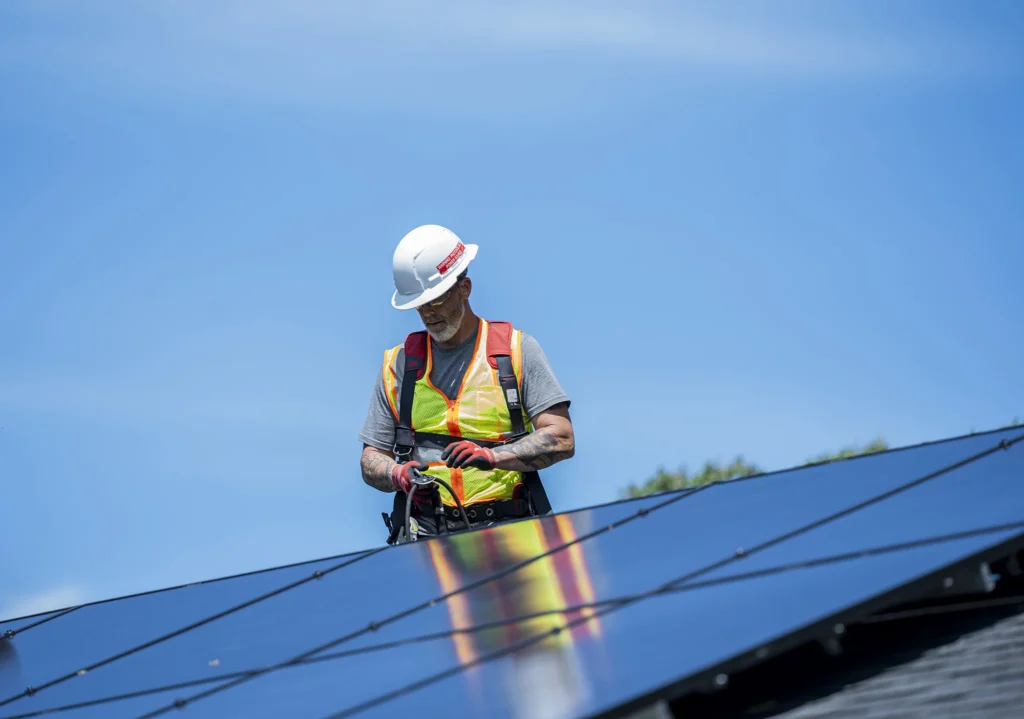
We prepare and submit the applicable local building and electrical permit documentation along with Dominion Energy Virginia net-metering and interconnection materials. Requirements vary among the City of Richmond, Henrico, Chesterfield, and Hanover, so the project schedule depends in part on the local authority having jurisdiction and utility review.
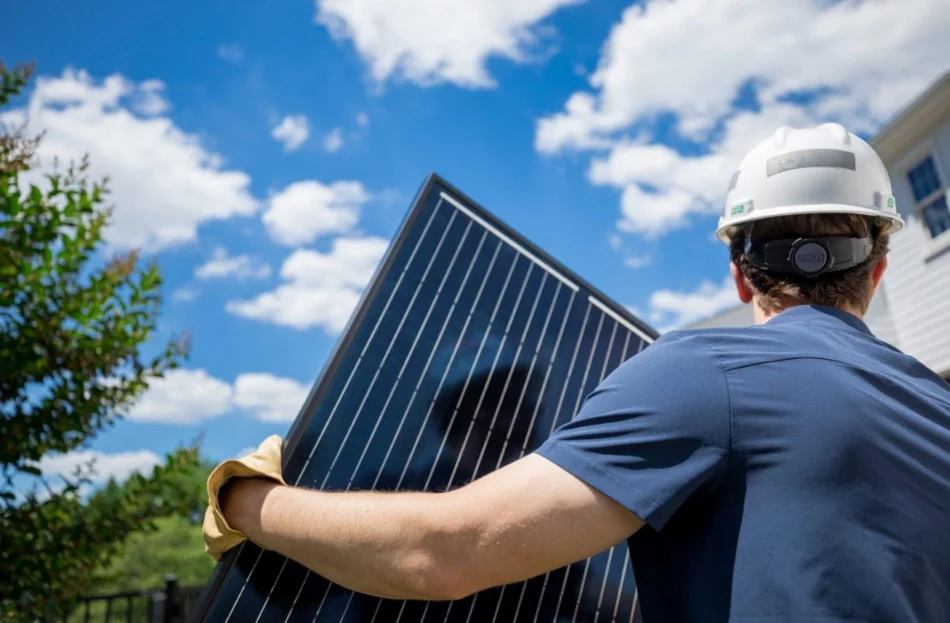
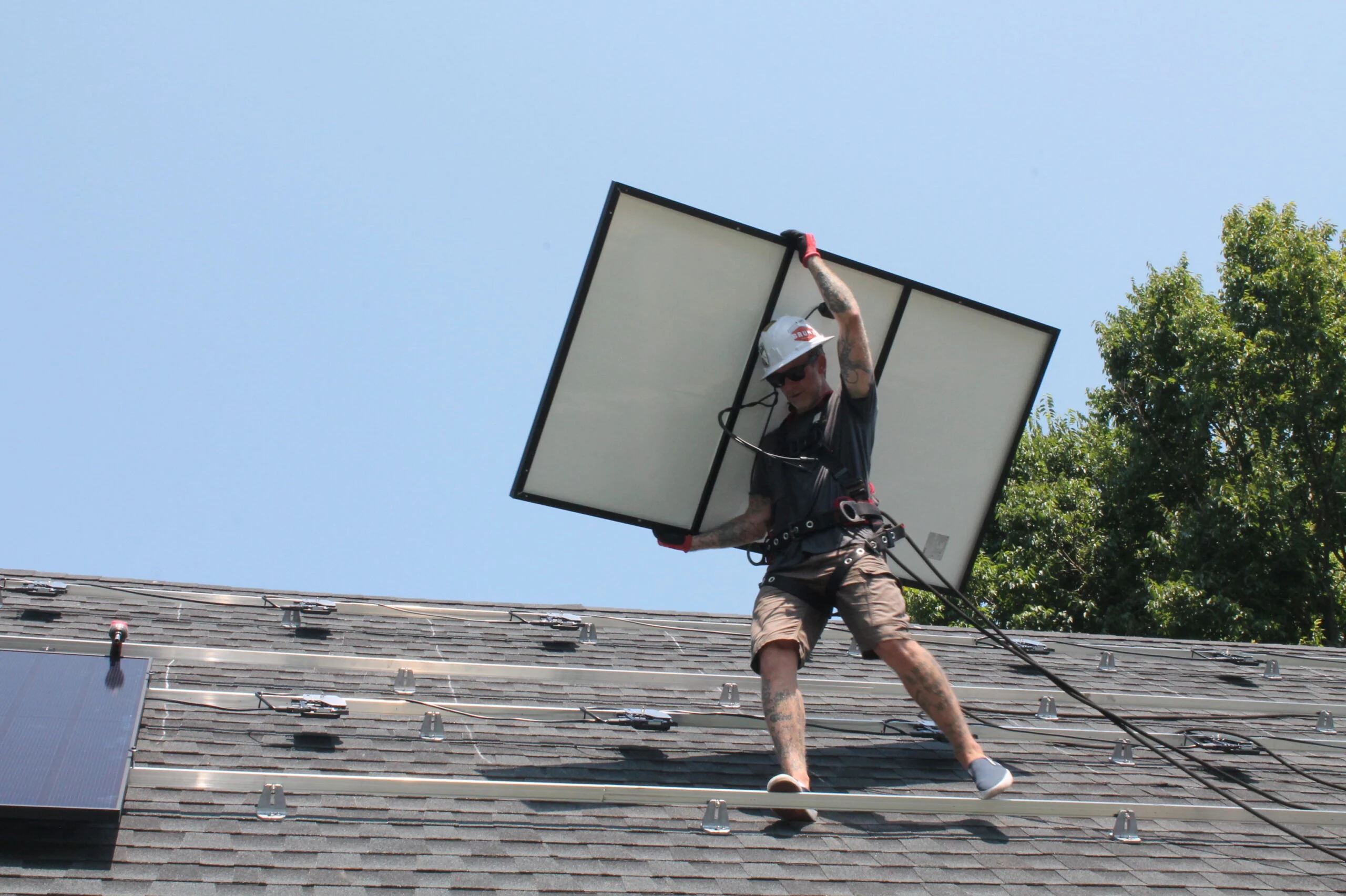
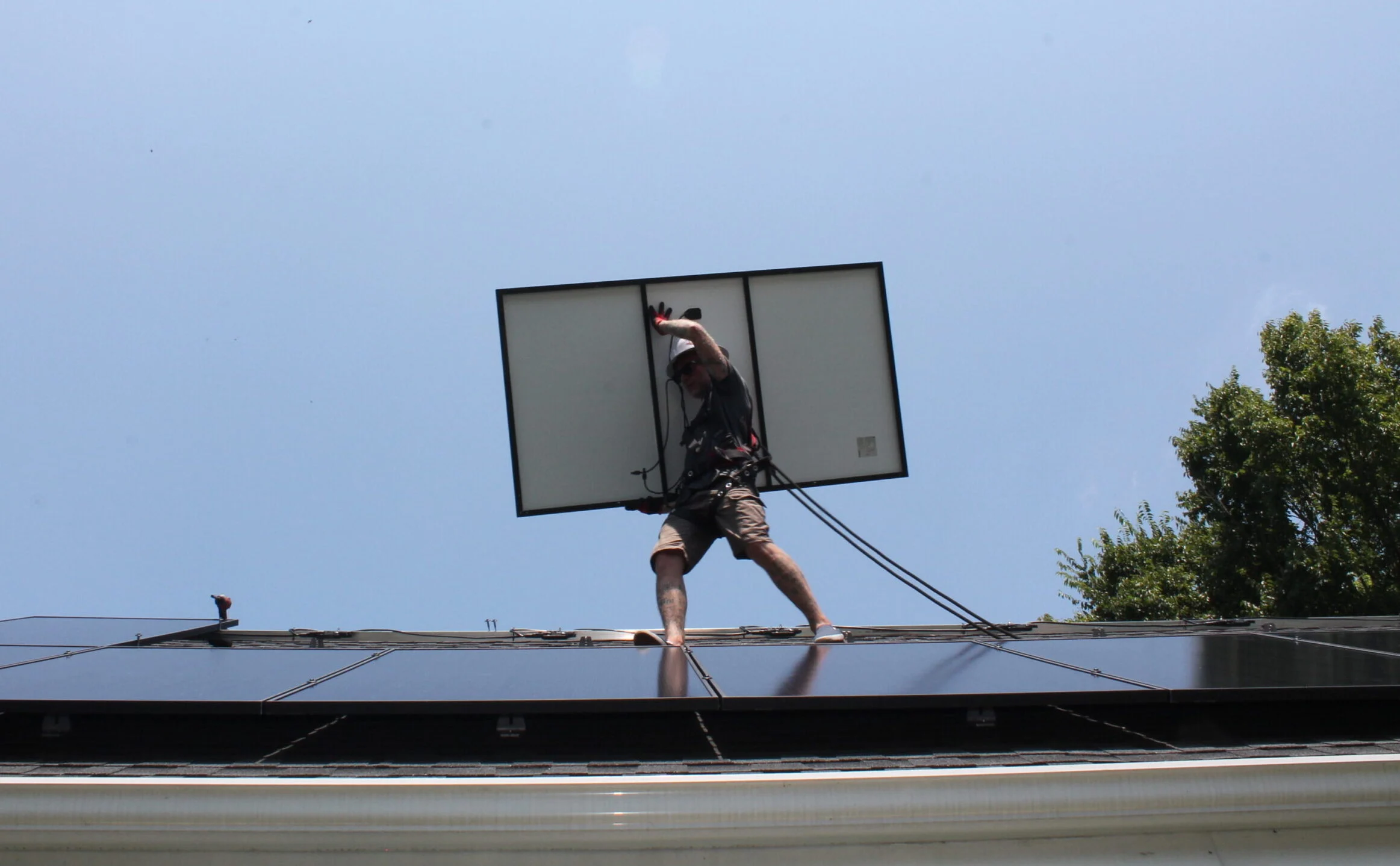
Our pre-screened, fully certified installation crews mount the racking system, secure the solar modules, integrate battery backup or EV charging stations (if applicable), and coordinate the final municipal inspection to activate your system.
What Solar Financing Options Are Available in Richmond, VA?
Purchase
Loan
Lease
How Do I Find the Best Solar Installer in Richmond, VA?
When comparing Richmond solar installers, ask for evidence that lets you compare proposals on the same basis:
Get Free Solar Quote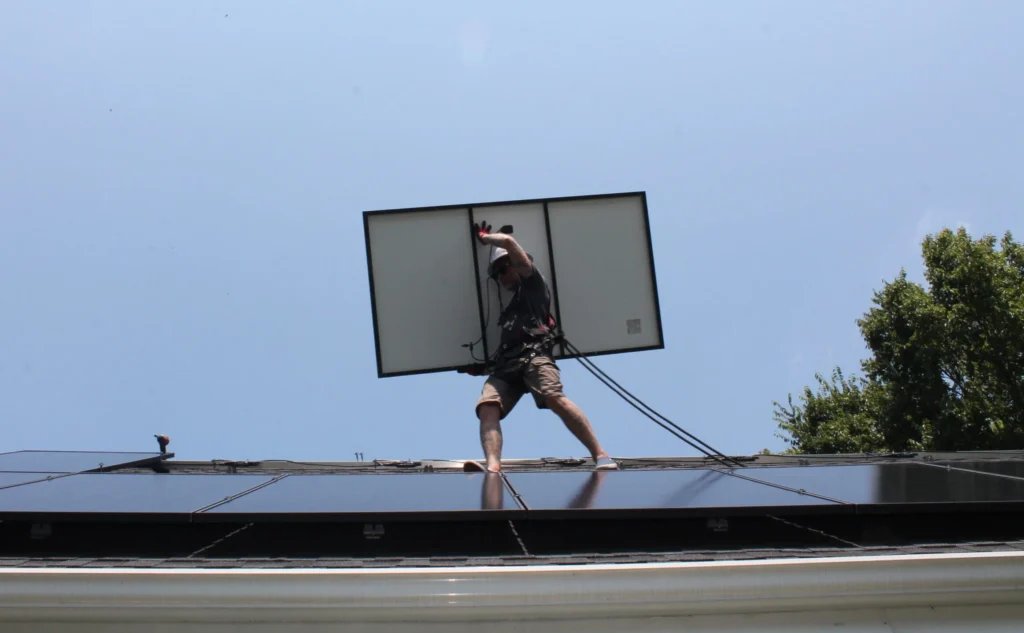

NABCEP

Warranties

Incentives
Longevity
NABCEP
Warranties
Incentives
Longevity
Why Should I Choose Solar Through Dominion Energy Solutions?

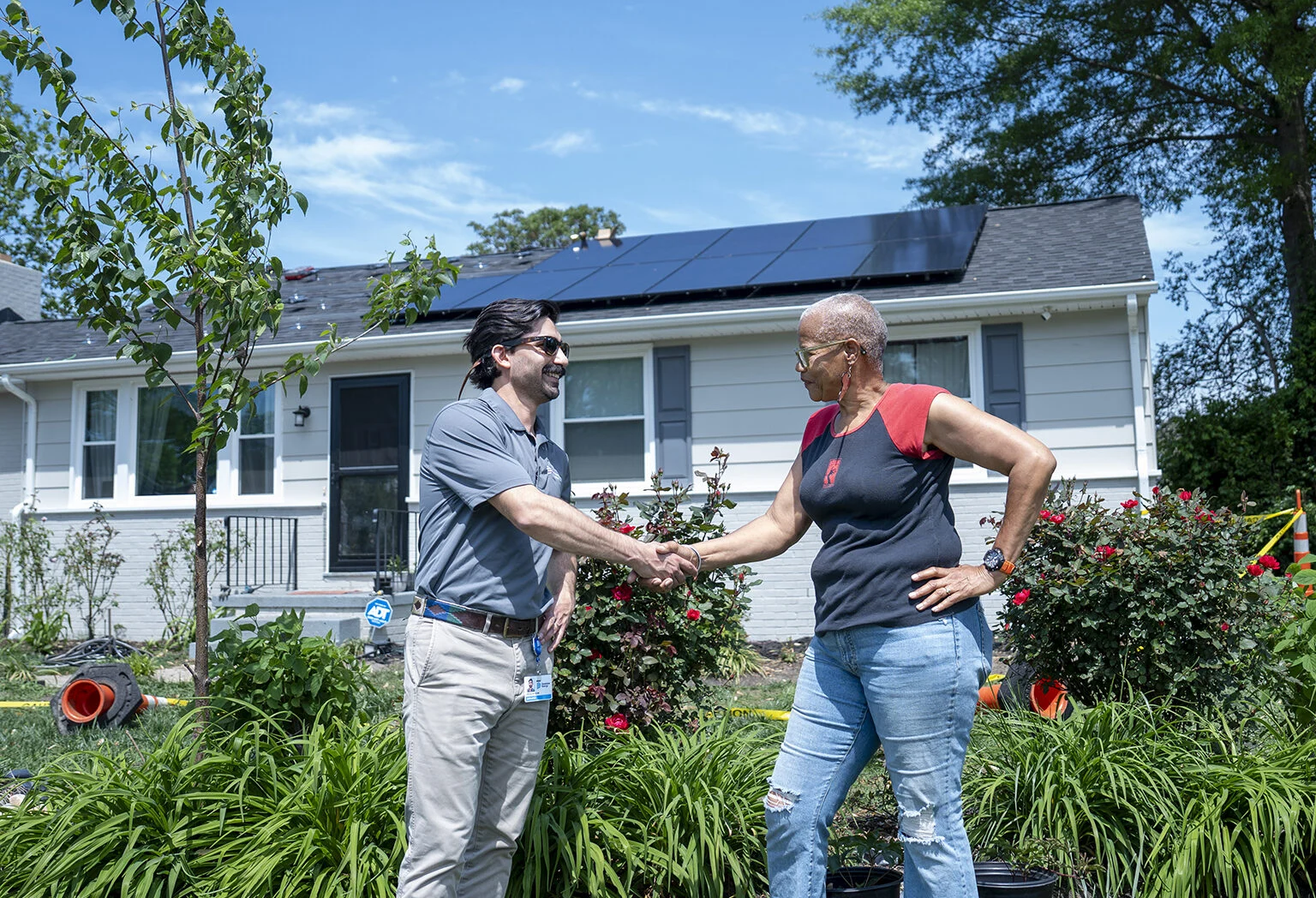
Dominion Energy Solutions is the only solar company fully owned and operated by Dominion Energy. We combine our parent company’s financial stability and expertise with a customer-first mindset.

Our solar consultants do not work on commission. We evaluate your property based entirely on financial feasibility and structural compatibility – not a sales quota.
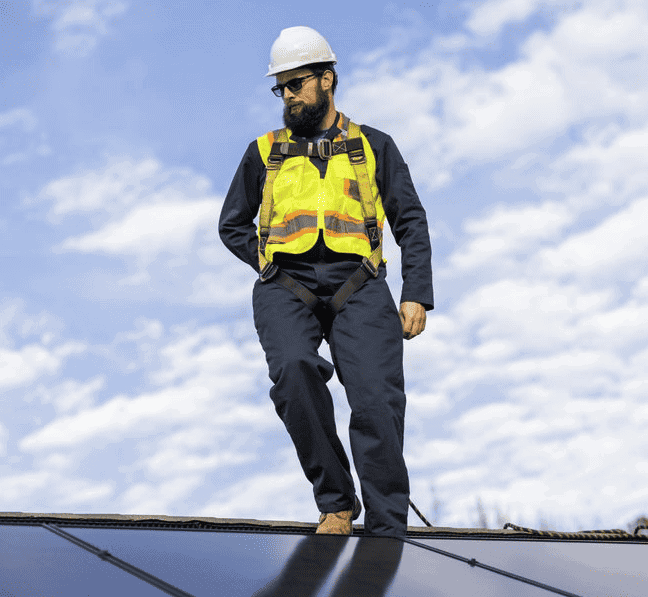
We manage every phase of your transition, from design and permitting to matching you with pre-screened, competitive local installation crews.
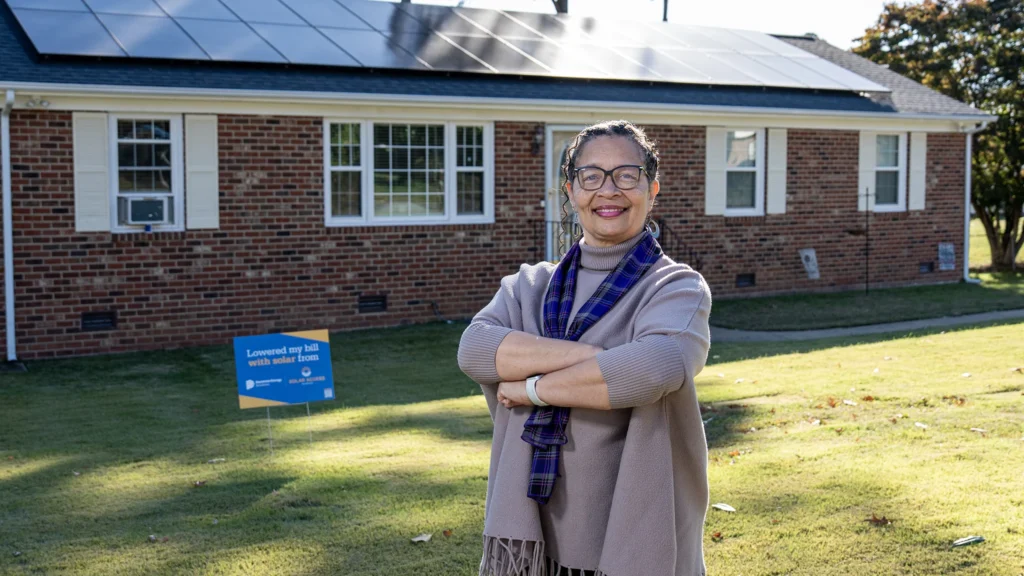
We size systems from your actual electricity use and site conditions, and we publish Richmond-area permit research so homeowners can compare a proposed system with systems actually being permitted locally. Any savings or return estimate should show the assumptions behind it rather than relying on a generic market average.
Richmond Solar FAQs
What is the average solar system size in the City of Richmond?
According to a 2026 Dominion Energy Solutions analysis of 1,243 residential solar permits, the average Richmond region solar installation is approximately 8.2 kW.
Are solar systems larger in Richmond’s surrounding counties?
In our permit analysis, yes. Average system-size benchmarks were approximately 8.8 kW in Henrico, 10.1 kW in Chesterfield, and 11.0 kW in Hanover, compared with approximately 8.2 kW in the City of Richmond. Across systems with usable capacity data in all four jurisdictions, the regional average was approximately 9.3 kW. Your system should still be sized to your home’s electricity use and site conditions.
Can Richmond homeowners still claim the 30% federal residential solar tax credit?
No, Richmond homeowners who buy a solar system with cash or a loan in 2026 can no longer claim the 30% direct federal residential solar tax credit. However, there are still ways you can benefit from federal and local solar savings in 2026.
While the residential credit ended, the commercial solar tax credit (Section 48E) remains active. If you lease your solar panels or sign a PPA, the solar installation company retains ownership of the equipment, claims the 30% commercial credit, and typically passes those savings down to you via lower monthly electricity rates.
Does Dominion Energy Virginia offer net metering for home solar?
Yes, for eligible approved systems. Solar generation can offset electricity used by the home, and excess electricity sent to the grid is recorded as a credit under the applicable net-metering rules.